Top 10 Reasons Why Tourists Love Visiting South Africa
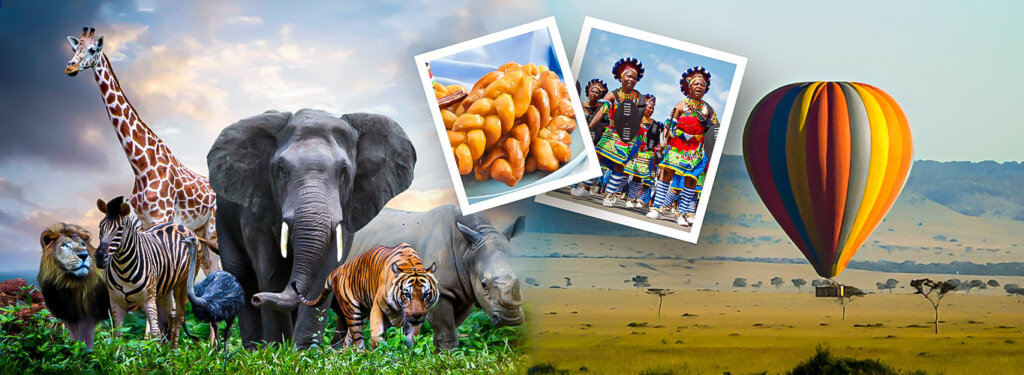
Tourists from around the world are drawn to South Africa for many compelling reasons. At the heart of its appeal is the opportunity to embark on a wildlife safari and witness the Big Five—lion, leopard, rhino, elephant, and buffalo—in legendary game reserves like Kruger National Park, Addo Elephant Park, and Pilanesberg. These safaris provide an up-close experience of nature’s raw beauty in well-managed, eco-conscious environments.
Nature lovers are captivated by the breathtaking views from Table Mountain, one of the New Seven Wonders of Nature, and the scenic coastal drive along the Cape Peninsula, where the Atlantic and Indian Oceans meet at Cape Point. The Garden Route, stretching from Mossel Bay to Storms River, offers a spectacular blend of beaches, forests, lagoons, cliffs, and charming towns like Knysna and Plettenberg Bay, making it a favorite for road-trippers.
Wine enthusiasts are drawn to the Cape Winelands, especially Stellenbosch, Franschhoek, and Paarl, renowned not just for award-winning wines but also for gourmet dining experiences, vineyard picnics, and scenic mountain backdrops. South Africa’s cultural diversity further enriches the travel experience, blending Zulu, Xhosa, Afrikaans, Indian, and Cape Malay influences through music, dance, dress, language, and festivals.
For history buffs, sites like Robben Island, where Nelson Mandela was imprisoned, the Apartheid Museum in Johannesburg, and District Six Museum in Cape Town offer powerful insights into the nation’s struggle and triumph over apartheid.
Adventure seekers find South Africa a playground for adrenaline—shark cage diving in Gansbaai, abseiling down Table Mountain, paragliding over Cape Town, bungee jumping from Bloukrans Bridge, whale watching in Hermanus, and sandboarding on the dunes of Atlantis. The Drakensberg Mountains also offer world-class hiking and dramatic scenery.
Beach lovers are spoiled for choice. Durban’s Golden Mile offers warm Indian Ocean waters, bustling promenades, and excellent surfing conditions, while the wild and rugged Eastern Cape coastline remains more untouched and perfect for tranquil escapes.
Culinary travelers will delight in South Africa’s unique food culture. Highlights include braais (traditional barbecues), Cape Malay curries, flavorful bobotie, spicy chakalaka, and hearty boerewors rolls. Local markets and food tours offer authentic tastes from various communities.
When Is the Best Time to Visit South Africa for Travel?
Spring (September–November)
Spring in South Africa is a time of renewal and color, especially in regions like Namaqualand, where the arid landscapes burst into vibrant carpets of wildflowers—one of the world’s most spectacular floral displays. The Western Cape enjoys mild weather, ideal for exploring Cape Town, the Garden Route, and Winelands without peak-season crowds. National parks, including Kruger, offer excellent game viewing as wildlife becomes more active with the warmer temperatures and fresh vegetation.
Autumn (March–May)
Autumn presents clear skies, warm days, and cooler nights—making it a favored season for wine lovers. The Cape Winelands host wine harvest festivals, blending local cuisine, music, and world-class vintages. In safari regions, particularly in Kruger and Madikwe, the vegetation thins and animals gather around waterholes, increasing wildlife sightings. Fewer tourists and comfortable weather also make this a great time for cultural tours and scenic drives.
Summer (December–February)
South African summer is hot and vibrant, marking the holiday season for locals and tourists alike. Coastal regions like KwaZulu-Natal and the Eastern Cape are in their prime, perfect for surfing, diving, snorkeling, and marine safaris. Cape Town’s beaches, such as Clifton and Camps Bay, are buzzing with life, while inland regions may experience brief afternoon thunderstorms. Popular attractions can be crowded, so advanced bookings are recommended during this peak period.
Winter (June–August)
Despite cooler temperatures, South Africa’s winter offers prime safari conditions, especially in Kruger National Park, where animals are easier to spot in the dry, sparse bush. The Eastern and Western Cape experience mild days, ideal for city tours and whale watching in Hermanus—one of the best land-based whale-watching destinations globally. For a unique twist, head to the Drakensberg Mountains for light snow falls and skiing, or enjoy crisp hikes with dramatic mountain views.
What Are the Best Things to Do in South Africa?
Experience unforgettable wildlife encounters at top safari parks such as Kruger National Park, known for the Big Five; Addo Elephant Park, home to hundreds of elephants; Kgalagadi Transfrontier Park, famous for red sand dunes and black-maned lions; and Madikwe Game Reserve, a malaria-free zone with luxurious lodges.
City Highlights:
In Cape Town, ride the cableway to the iconic Table Mountain, explore the colorful houses of Bo-Kaap, and reflect on history at Robben Island, where Nelson Mandela was imprisoned. Johannesburg offers powerful historical insights at the Apartheid Museum, vibrant street art in Maboneng, and the constitutional legacy at Constitution Hill. In Durban, unwind along the Golden Mile beachfront and enjoy the city’s unique blend of Indian and Zulu influences.
Wildlife & Nature:
For animal lovers, Boulders Beach is a must-visit to see African penguins up close, while Cape Point offers breathtaking ocean vistas and dramatic cliffs. The Winelands of Stellenbosch and Franschhoek welcome wine enthusiasts with cellar tours, gourmet cuisine, and picturesque vineyards.
Outdoor Adventures:
Thrill-seekers can hike the towering Drakensberg Amphitheatre, traverse the lush forests of Tsitsikamma along the Garden Route, or try canopy tours and bungee jumping at Bloukrans Bridge. The Panorama Route, with attractions like Blyde River Canyon and God’s Window, is ideal for scenic drives.
Cultural Experiences:
Discover the heart of South African heritage by visiting the District Six Museum, Zulu homestays, and Xhosa villages where you can learn about traditional customs, crafts, and cuisine through immersive local interactions.
Adventure Activities:
Dive into action with shark cage diving in Gansbaai, one of the best places in the world to see great white sharks. Head to Jeffrey’s Bay for world-class surfing, or witness the incredible marine life with whale watching in Hermanus, especially from June to November.
What Food Is South Africa Known For? – A Guide to South African Cuisine
South African cuisine is a vibrant tapestry of indigenous traditions and global influences, shaped by centuries of trade, colonization, and multicultural coexistence. It’s often referred to as “Rainbow Cuisine” because it blends flavors from African, Dutch, Indian, Malaysian, and British cooking.
One of the most iconic culinary traditions is the braai (barbecue), which is not just a method of cooking but a beloved social ritual where friends and family gather around open flames. Popular braai staples include boerewors, a coiled, spiced sausage made from beef and pork, and sosaties, skewered meat marinated in curry-based sauces.
Bobotie, a national favorite, is a Cape Malay-inspired dish of spiced minced meat baked with a golden egg custard topping, often served with yellow rice, chutney, and raisins for a sweet-savory balance.
South Africans also enjoy traditional snacks like biltong, a cured, air-dried meat similar to jerky, and bokkoms, salted and dried whole fish, especially popular in coastal areas.
Everyday comfort foods include pap, a thick cornmeal porridge, typically paired with chakalaka, a fiery vegetable relish made from carrots, peppers, beans, onions, and spices—especially enjoyed at braais and community gatherings.
The influence of Cape Malay cuisine, introduced by Indonesian and Malaysian slaves, is evident in dishes such as denningvleis (slow-cooked lamb in a sweet-sour tamarind sauce), samosas, and frikkadels (spiced meatballs).
Seafood also plays a major role, especially along the coast. Dishes like pickled fish with turmeric and vinegar are traditional around Easter, while snoek braai (barbecued snoek fish) is a West Coast specialty.
For dessert, try koeksisters—plaited doughnuts soaked in syrup—or melktert, a creamy milk tart with cinnamon.