
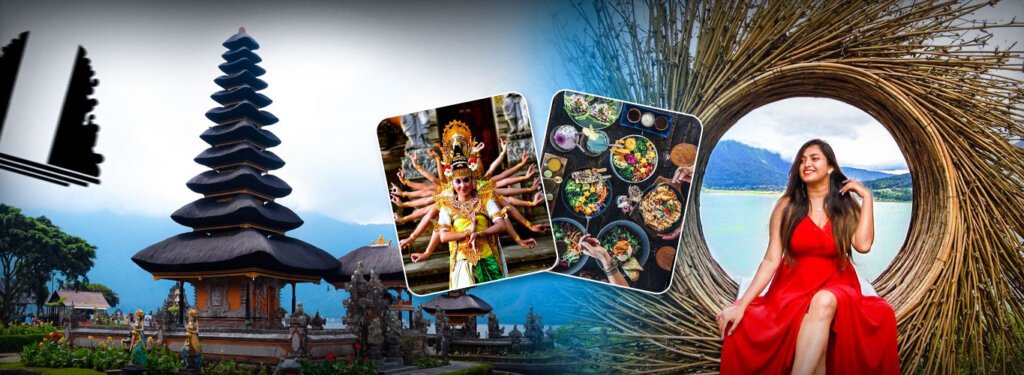
💱 Currency
Indonesian Rupiah (IDR)
🗣️ Languages
Indonesian Rupiah (IDR)
🌤️ Climate
26°C – 32°C (tropical and humid year-round)
📅 Best Season
April – June (Dry Season) September – October (Post-Peak Dry Season)
Bali is internationally known as one of the most magical islands in the world—a land of contrasts, where ancient spirituality meets modern tourism, and volcanic mountains stand beside pristine beaches. Whether you’re a backpacker, honeymooner, wellness enthusiast, or culture seeker, Bali offers something that deeply resonates with every type of traveler.
Bali’s worldwide fame is largely due to its breathtaking natural landscapes, from lush rice terraces to pristine beaches and volcanic mountains.The central highlands are covered in misty rainforests, dramatic volcanic peaks like Mount Agung and Mount Batur, and sweeping rice terraces that have been cultivated for centuries using traditional Subak irrigation systems. These lush landscapes are not just scenic; they are symbolic of Bali’s harmony with nature and spirituality.Bali’s coastlines are equally diverse. While Kuta, Legian, and Seminyak are known for their nightlife and party scenes, Nusa Dua and Jimbaran offer luxury resorts and calm beaches perfect for families and honeymooners. Surfing enthusiasts head to Uluwatu and Canggu, where the waves are powerful and the coastal cliffs offer jaw-dropping sunset views. Off the mainland, Nusa Penida and Nusa Lembongan provide quieter, less-commercialized beaches and are ideal for snorkeling and diving.
Another reason Bali stands out is its vibrant spiritual and cultural life. Despite being part of a predominantly Muslim country, Bali is the only Hindu-majority province in Indonesia. Over 20,000 temples are scattered across the island—each with unique rituals, festivals, and architecture. Among Bali’s most renowned temples are Uluwatu Temple, perched dramatically on a sea cliff; Tanah Lot, beautifully set on an offshore rock; and Besakih Temple, revered as the island’s sacred “Mother Temple.”Balinese culture thrives through its vibrant expressions of traditional dance, gamelan music, intricate paintings, and skilled handicrafts.Visitors can attend Barong and Legong dance performances, explore artisan villages like Mas (woodcarving) and Celuk (silver jewelry), or admire the intricacies of batik and ikat textile weaving. Every offering made by a local is both a spiritual gesture and a piece of art.Bali is also widely celebrated as a global hub for wellness tourism, attracting visitors with its yoga retreats, spa sanctuaries, and holistic healing experiences.Yoga retreats, detox programs, traditional Balinese massages, and healing ceremonies are available throughout the island, particularly in Ubud, Bali’s spiritual heart. Eco-conscious cafes, organic food, and holistic treatments have made Bali a wellness capital of Southeast Asia.Many travelers who want to experience this diversity conveniently opt for Bali tour packages, which are designed to blend cultural immersion, nature, adventure, and relaxation—creating a complete journey across this unforgettable island.
The spiritual and cultural connection between India and Bali is a story of ancient migrations, religious exchange, shared mythology, and artistic fusion that has lasted for more than a thousand years. Though separated by geography, these two places share profound similarities in philosophy, tradition, and everyday ritual—making Bali one of the few places outside India where Indian travelers immediately feel a sense of spiritual familiarity.
Historically, Indian influence arrived in Bali as early as the 1st to 5th centuries CE through traders, scholars, and priests who traveled via the maritime Silk Route and established strong socio-religious connections with the Indonesian archipelago. This cultural exchange led to the spread of Hinduism and Sanskrit-based language systems, shaping the early kingdoms of Java and Bali. The most notable of these was the Majapahit Empire, whose cultural and spiritual capital was deeply Hindu-Buddhist and had strong ties to Indian philosophy.The impact of Indian mythology is clearly visible in Balinese art and religion. Epic stories like the Ramayana and Mahabharata are not just read—they are enacted in dances, dramas, and temple festivals. Characters such as Rama, Sita, Hanuman, and Arjuna appear in traditional shadow puppet theatre (Wayang Kulit) and daily religious offerings. While Hinduism in India has evolved with time, Balinese Hinduism retains many Vedic traditions—blended with indigenous Balinese beliefs.Temples in Bali follow ancient architectural principles similar to Indian temple design. Elements such as mandalas, symbolic gateways (candi bentar), and pyramidal shrines (meru) can be seen across the island. Religious rituals like fire ceremonies, cremations (Ngaben), and water blessings echo practices found in South India and the Himalayas.
There is also a linguistic connection—Old Balinese and Kawi, the classical languages used in ceremonies and temple scripts, contain a significant number of Sanskrit loanwords. This deep-rooted connection is evident in Balinese names, geographic locations, and the sacred mantras chanted in temple rituals.Today, this bond continues through tourism, interfaith dialogue, and shared cultural exploration. Indian travelers are warmly welcomed in Bali, not only because of shared religion but also due to a mutual appreciation of art, spirituality, and family values. Some resorts even specialize in Indian weddings, offering sacred fire rituals and vegetarian feasts.For those looking to explore this heritage with ease, Bali tour packages often include temple tours, spiritual retreats, Indian-style dining options, and opportunities to witness traditional performances that celebrate these deep-rooted ties.
Planning a trip to Bali isn’t just about booking flights and hotels—it’s about understanding the island’s unique rhythms, cultural etiquette, weather patterns, and local experiences that make a journey more meaningful and respectful. Whether you’re heading there for a short break or a long exploration, knowing a few key facts in advance will make your trip far more immersive.
One of the most fascinating aspects of Bali is its religious calendar, which differs from the Gregorian calendar used in most parts of the world. The Balinese follow the Saka (lunar) calendar and Pawukon (210-day) cycle, which guide their religious and ceremonial life. One of the most famous holidays is Nyepi, the Balinese New Year, also known as the Day of Silence. On this day, the island shuts down completely—no flights, vehicles, lights, or outdoor activity are allowed. It’s a rare moment of collective spiritual pause, and tourists must remain indoors as well.Bali is deeply spiritual, and visitors are expected to observe local customs. For instance, temples require modest dress, including sarongs and sashes. You’ll often see small palm-leaf offerings (canang sari) on sidewalks, shrines, and motorbikes—step over them respectfully. Touching someone’s head is considered rude, as it is the most sacred part of the body.
Geographically, Bali is more than just beaches. Ubud, located in central Bali, is known for yoga, healing, art markets, and jungle landscapes. Seminyak and Canggu are hubs for modern cafes, digital nomads, nightlife, and shopping. Amed and Tulamben, on the eastern coast, are popular with divers for their coral reefs and shipwrecks. Nusa Islands offer cliff-side views and natural pools like Angel’s Billabong.The island’s dry season (April to October) is perfect for outdoor exploration, while the wet season (November to March) has short, intense rains but fewer crowds. Currency used is the Indonesian Rupiah (IDR), and it’s advisable to use cash for smaller purchases. ATMs are widely available, and mobile payments are increasingly popular. Apps like Gojek and Grab simplify transport and food delivery across the island.Eco-conscious travel is growing in Bali. Many accommodations are now plastic-free, use bamboo architecture, and support local farming. Travelers can visit permaculture farms, animal sanctuaries, and eco-villages that teach sustainability through workshops and tours.Given its cultural richness and logistical diversity, many travelers prefer Bali tour plan that organize local experiences, cover transportation, offer multilingual guides, and ensure travelers are able to focus on enjoying the island rather than managing complex details.
Booking a Bali tour package can make your travel experience smoother and budget-friendly—but only if you’re clear about what to expect and what’s included. Whether you’re a couple on a honeymoon or a family with kids, your itinerary should match your interests. Bali offers a wide range of experiences—from rice terraces and yoga in Ubud to beach clubs and surfing in Seminyak—so it’s important to select a tour that aligns with your preferences.Most Bali tour packages include accommodation, daily breakfast, airport transfers, and local sightseeing. Some may also cover airfare or visa help, but not all packages include entrance tickets, meals beyond breakfast, or activity fees. Reading the fine print helps avoid unexpected costs.Group tours offer lower prices and a fixed schedule, while private packages offer more freedom, such as visiting a specific waterfall or taking a cooking class. It’s also key to understand the locations included—Seminyak is lively and modern, Ubud is artistic and serene, and Nusa Penida is perfect for island hopping.Booking two to three months ahead usually gets you better deals and availability. Choosing a provider familiar with Indian travel needs can help with vegetarian meals, food preferences, and customized cultural options.Don’t forget to ask about travel insurance and refund policies. Emergencies can happen, and flexible terms protect your investment. Also, clarify any hidden fees—some packages may charge extra for essentials like guides or towels. A well-designed Bali tour package should strike the right balance between sightseeing and relaxation, giving you time to enjoy the island without feeling rushed.
Bali is a dream destination for many travelers, and the good news is that it can be explored beautifully even on a tight budget. Whether you’re a solo backpacker, a young couple, or a family seeking a tropical vacation, there are many well-designed budget tour options that allow you to enjoy Bali’s wonders without overspending.
These packages typically include stays in clean, cozy guesthouses in Ubud and budget hotels in Kuta. You’ll get to visit iconic places like the Ubud Monkey Forest, Goa Gajah (Elephant Cave), and the Tegalalang rice terraces. The Kuta part offers free beach time, a fun nightlife scene, and shopping at local markets. Transportation, basic sightseeing, and breakfast are usually included, making this a great value.
Many Indian travel agencies offer group-based Bali tour packages that cater to Indian tourists with vegetarian or Jain meal options. These packages often include Indian guides, temple visits like Tanah Lot and Ulun Danu, water sports in Nusa Dua, and daily meals. At the heart of most group options, a well-balanced Bali Tour plan ensures cost savings without sacrificing the cultural depth of your trip.
Some budget-conscious travelers prefer semi-custom packages. These let you choose your own accommodation—perhaps an affordable hostel or Airbnb—and combine it with pre-booked airport transfers and a few day tours. This gives flexibility while still benefiting from the structure of a planned trip.
Off-season months like February, March, or October often bring amazing discounts. You can find 5D/4N or even 6D/5N packages that include hotel stays, airport pickups, and tours of Ubud, Mount Batur, and Bali Swing at very reasonable rates.With a little research, travelers can enjoy spiritual temples, pristine beaches, cultural dance shows, and even volcano trekking on a modest budget. For those who want both affordability and experience, Bali tour packages crafted for budget travel are the ideal way to explore the island’s many facets.
Bali is more than just an island—it’s a world of cultural richness and natural beauty compacted into a small piece of land in Southeast Asia. Here’s a deep dive into what makes Bali so fascinating, particularly for travelers who are seeing it for the first time.
| High season | April to August (Dry Season), December (Holiday Season) |
|---|---|
| Iconic Attractions | Uluwatu Temple, Tanah Lot, Tegallalang Rice Terraces, Ubud Monkey Forest, Mount Batur, Besakih Temple |
| Popular Activities | Surfing, Temple Hopping, Yoga Retreats, Snorkeling & Diving, Traditional Dance Performances, Volcano Trekking |
| Visa | Visa-free or Visa on Arrival (VOA) for many countries (check the latest Indonesian visa requirements) |
| National Animal | Bali Starling (Jalak Bali) |
| National Flower | Frangipani (Bunga Jepun) |
| Famous Food | Nasi Goreng, Mie Goreng, Babi Guling (roast pig), Sate Lilit, Lawar, Bebek Betutu, Dadar Gulung |
Breathtaking Natural Beauty
Bali boasts a breathtaking variety of landscapes, ranging from lush rice terraces and majestic waterfalls to volcanic mountains and serene coastlines. Iconic spots like Tegallalang and Jatiluwih present idyllic rice paddies, while Gitgit and Sekumpul waterfalls reveal the island’s untamed tropical heart. Nature lovers are constantly amazed by the sheer variety of scenery packed into a single island.
Stunning Beaches for Every Mood
Whether you’re looking to surf towering waves, snorkel in crystal waters, or simply sunbathe on soft white sand, Bali has a beach for everyone. Kuta is perfect for social vibes and beginner surfers; Seminyak and Canggu cater to trendy beachgoers and digital nomads; and places like Nusa Dua, Padang Padang, and Jimbaran offer quiet luxury. For raw beauty, head to the beaches of Uluwatu or the offshore islands like Nusa Penida.
A Deep and Living Culture
Culture is not just preserved in museums in Bali—it’s lived every day. From the daily offerings of flowers and incense seen in homes and temples, to colorful processions, traditional dance performances, and intricate ceremonies, Bali’s culture is both spiritual and visually captivating. Hindu temples like Uluwatu and Besakih are not only architectural gems but also active centers of community and prayer.
World-Class Wellness and Yoga
Bali is a global wellness hub, especially in places like Ubud, where retreats offer everything from yoga and meditation to Ayurveda, detox, and spa therapies. Tourists visit the island not just for sightseeing, but to reset their minds and bodies in tranquil surroundings. Wellness resorts, natural hot springs, jungle spas, and vegan cafés make it easy to embrace a healthy lifestyle here.
Unique and Flavorful Cuisine
Bali’s culinary scene is a sensory journey of spices, textures, and tradition. Signature dishes like Babi Guling (roast pork), Nasi Campur (mixed rice platter), and Bebek Betutu (spiced duck) offer local flavor, while the island also caters to global palates with Indonesian fusion, vegan specialties, and international restaurants. Dining becomes an adventure in itself, with vibrant night markets, oceanfront restaurants, and hidden jungle eateries offering unforgettable culinary settings.
Adventure and Outdoor Activities
For adrenaline junkies, Bali delivers: hike to the summit of Mount Batur at dawn, white-water raft down the Ayung River, zipline through tropical canopies, or ride an ATV across muddy jungle trails. Surfing, snorkeling, and diving opportunities are abundant, especially around the coral reefs of Nusa Lembongan and Menjangan Island. The natural terrain makes Bali a perfect playground for thrill-seekers.
Unique Temples and Spiritual Landmarks
Bali’s temples are iconic. Tanah Lot, perched on a rock in the ocean, offers stunning sunset views.Perched on a soaring cliff edge, Uluwatu Temple offers breathtaking ocean views and hosts the mesmerizing Kecak fire dance at sunset.Tirta Empul is a sacred water temple where tourists can participate in purification rituals. Each temple tells a story, not just in design but in its continued religious significance.
Affordable Luxury and Accommodation Options
From luxurious beachfront resorts and private pool villas to cozy homestays and eco-lodges, Bali offers accommodations for every budget. Travelers can enjoy high-end experiences—like spa treatments, fine dining, and personalized tours—at a fraction of what it might cost elsewhere. This affordability adds to Bali’s widespread appeal.
Warm and Friendly Locals
The Balinese people are known for their kindness, generosity, and gentle spirit. Visitors often remark that the warmth and hospitality of the locals make their trip extra special. Whether it’s a welcoming smile, a helpful recommendation, or a shared cultural experience, the island’s people leave a lasting impression.
Endless Opportunities for Exploration
Bali is not just one destination—it’s a mosaic of different regions. From the creative energy of Ubud and the nightlife of Seminyak to the calm beaches of Sanur and the raw beauty of East Bali, each area has its own character. Offshore islands like Nusa Penida and Nusa Lembongan offer additional adventures, including cliff hikes, manta ray snorkeling, and secret beach explorations.
Bali is a year-round destination, but choosing the right time to visit depends on what kind of experience you’re seeking. The dry season (April to October) is considered ideal for travel, with sunny weather, low humidity, and perfect conditions for outdoor adventures. It’s the best time to explore beaches, temples, rice terraces, and go diving or surfing.In contrast, the wet season (November to March) is quieter, with fewer crowds and more affordable stays. Though short tropical showers are common, the island is lush and beautiful, ideal for nature lovers and cultural tourists. It’s also a good time for those seeking wellness retreats or spa getaways.Festivals like Nyepi (Day of Silence) in March and Galungan (a major Hindu celebration) offer meaningful cultural experiences. Whether you’re looking for adventure, relaxation, or spiritual insight, Bali tour packages are often tailored to match the season, helping travelers enjoy Bali in the way that suits them best.
Bali offers an incredible range of activities that appeal to every type of traveler. For culture lovers, visiting ancient temples like Tanah Lot, Uluwatu, and Besakih is a must. Nature enthusiasts can hike up Mount Batur for a sunrise trek, explore the Tegallalang rice terraces, or discover waterfalls hidden in Bali’s jungles.The beaches are another highlight—Seminyak, Nusa Dua, and Canggu offer everything from surfing to sunbathing. Adventure seekers can try white-water rafting, ATV rides, and Bali swings, while art lovers will enjoy galleries and workshops in Ubud’s artisan villages.From yoga retreats to snorkeling trips and local markets, the island is rich in unique, fulfilling experiences. To make the most of it, a personalized Bali tour plan can help combine sightseeing, culture, and relaxation into one unforgettable journey.
Balinese cuisine is a reflection of its culture—bold, flavorful, and steeped in tradition. It features rich spice blends, coconut-based sauces, grilled meats, and ceremonial dishes. Local favorites include Babi Guling (roast pig), Bebek Betutu (slow-cooked duck), and Nasi Campur, which presents a variety of small portions with rice.Snacks like Sate Lilit (minced meat satay), pisang goreng (fried banana), and herbal drinks like jamu offer unique tastes you won’t find elsewhere. For vegetarians, dishes like Gado-Gado and Lawar are fresh and flavorful.The food scene ranges from street stalls to upscale restaurants, each offering its own take on local ingredients and presentation. If you’re a food lover, many Bali tour packages now include culinary walks, cooking classes, or market tours to immerse you in Balinese flavors.
| Ubud | Tegallalang Rice Terraces, Ubud Monkey Forest, Traditional Markets, Royal Palace, Yoga Studios, Art Galleries |
|---|---|
| Uluwatu | Uluwatu Temple, Kecak Fire Dance Performances, Cliffside Views, Suluban Beach, Surfing Spots |
| Seminyak | Beach Clubs, Boutique Shopping, Sunset Bars, Fine Dining, Seminyak Beach |
| Kuta | Waterbom Bali (Water Park), Kuta Beach, Surf Lessons, Nightlife, Beachfront Shopping |
| Canggu | Digital Nomad Cafes, Surf Beaches, Rice Fields, Trendy Shops, Beach Parties |
| Mount Batur | Sunrise Volcano Trek, Lake Batur Views, Hot Springs, Scenic Hikes |
| Nusa Penida | Kelingking Beach, Angel’s Billabong, Crystal Bay, Snorkeling with Manta Rays, Day Trips |
Bali is one of the most popular international destinations for Indian tourists, thanks to its visa-free entry, cultural familiarity, and natural beauty. But before you hop on a flight, there are a few important things Indian travelers should keep in mind for a smooth and rewarding experience.Indian citizens do not need a visa for tourist visits up to 30 days, but your passport should be valid for at least six months from the date of arrival. If your trip is longer or for business, a different visa type is necessary.The local currency is the Indonesian Rupiah (IDR). While cards are accepted in most urban areas, cash is essential for small eateries, street vendors, and local transport. ATMs are widely available, but it’s wise to carry both cash and cards.Bali has two primary seasons. The dry season from April to October is perfect for sightseeing, beaches, and water activities. The wet season from November to March brings tropical showers, but the island becomes lush and green—ideal for travelers who prefer serenity and lower costs.Culturally, Bali is rooted in a form of Hinduism that’s both unique and spiritual. Visitors will notice daily offerings placed outside homes, shops, and temples. Dressing modestly when visiting temples is expected—covering shoulders and legs is a sign of respect, and sarongs are usually provided at the entrance.Food is rarely an issue for Indian travelers. Many restaurants offer vegetarian and even Jain options, especially in Seminyak, Kuta, and Ubud. Familiar Indian cuisine is also easy to find. Those who enjoy exploring local flavors can try Balinese dishes like Gado-Gado or vegetable-based tempeh curries.Transportation is accessible, but tourists should prefer official taxis or app-based services like Grab or Blue Bird. Scooter rentals are common but require confidence and an international driving permit.It’s highly recommended to get travel insurance that covers health emergencies, theft, or activity-related incidents like hiking or water sports. Though Bali is generally safe, exercise caution in overly crowded tourist zones.
While Bahasa Indonesia is the official language, English is commonly spoken in tourist areas. A local SIM card from providers like Telkomsel or XL can help with internet and GPS access. For those looking to enjoy the island without hassles, many curated Bali tour plan include essentials like transfers, accommodation, guides, and activities, making travel more convenient for first-time Indian visitors.
Shopping in Bali is not just a way to spend money—it’s an experience filled with local craftsmanship, artistic expression, and cultural stories. The island’s markets and boutiques offer everything from handmade jewelry to traditional textiles.The Ubud Art Market is a must-visit for anyone seeking traditional Balinese items like sarongs, dreamcatchers, silk scarves, and wood carvings. It’s located in the center of Ubud, and bargaining is expected. The earlier you visit, the better the deals you’re likely to find.If you’re looking for budget-friendly options, Sukawati Art Market near Gianyar is popular among both locals and tourists. It’s well known for Balinese paintings, handmade toys, batik clothing, and decorative crafts.
For high-end retail therapy, Seminyak’s stylish boutiques are ideal. These stores offer beachwear, interior décor, and fashion items that blend local materials with modern design. Though pricier, the quality and style are exceptional.Kuta’s Beachwalk Mall and Discovery Shopping Mall provide a comfortable shopping experience with a mix of local and international brands. These malls are family-friendly and offer air conditioning, cafes, and beachfront views.To ensure you visit the best artisan hubs and cultural shopping centers, a personalized Bali tour plan can include guided visits to these markets, helping you skip the tourist traps and find authentic treasures.
For truly authentic keepsakes, head to Celuk Village for handmade silver jewelry and Mas Village for wood carvings. You can even see artisans at work, and many shops allow visitors to customize or commission unique pieces.Among the best souvenirs to take home are batik fabrics, Balinese masks, traditional paintings, natural soaps and oils, coconut-shell crafts, aromatic incense, Luwak coffee, and rattan handbags. Each piece holds a piece of Bali’s artistic spirit.
The artistic and cultural scene in Bali is deeply woven into everyday life. From temple rituals to theatrical performances, from street offerings to fine art galleries—Bali lives and breathes creativity.Dance is one of Bali’s most iconic cultural expressions. Traditional performances like the Barong dance tell mythological stories through rich costumes and intense choreography. The Kecak dance, performed at Uluwatu Temple at sunset, is an awe-inspiring fire dance featuring rhythmic chants. Legong and Ramayana ballets also showcase the island’s elegance and spiritual depth, often performed in Ubud’s royal palace.Temples are the heart of Balinese culture. They serve as places of worship and community celebration. Each temple is a masterpiece of architecture, featuring tiered shrines, stone sculptures, and ornate gates. Ulun Danu on Lake Beratan, the Elephant Cave (Goa Gajah), and Tirta Empul with its holy spring are some of the most sacred and picturesque.Balinese art is revered worldwide. Ubud remains the cultural capital, home to numerous galleries and museums like the Agung Rai Museum of Art (ARMA) and Neka Art Museum. Villages surrounding Ubud are known for specific crafts—Mas for wood carving, Celuk for silver jewelry, and Batuan for painting.
Music is another key aspect of Balinese tradition. The Gamelan orchestra—featuring gongs, xylophones, and drums—is a vital part of ceremonies and performances. Its distinctive, rhythmic sounds are both meditative and ceremonial.The island is also constantly alive with religious ceremonies. Festivals like Galungan, Nyepi, and Kuningan transform entire villages into colorful spiritual hubs. Daily offerings, or “canang sari,” are placed at shrines and shopfronts, made with flowers, rice, and incense—a symbol of devotion and gratitude.Interestingly, Indian travelers often feel a cultural connection in Bali. Balinese Hinduism shares roots with Indian traditions but has evolved uniquely. Sanskrit inscriptions, Ramayana stories, and temple carvings show how Indian influence continues to shape Balinese spirituality and aesthetics. For those eager to explore these cultural ties deeply, tailored Bali tour packages often include immersive experiences like dance performances, temple tours, and village visits, making art and tradition an essential part of the journey.
Best Travel agency in Madurai
501/1, 10th Cross St, near logincybernetics, Anna Nagar, Madurai, Tamil Nadu 625020
Ph: +91 86800 00578
Best Travel agency in Chennai
No. 6, (2nd Floor), Dr.Ambedkar Street, (Near ICICI ATM), Opp: Hotel Virudhunagar Chettinad, Meenambakkam, Chennai – 600 016.
Ph: +91 86800 00328
Best Travel agency in Coimbatore
No.306 D-1, 2nd Floor, Visakam Complex, Sathy main Road (N H), Sivanandapuram, Saravanampatti, Coimbatore – 641 035.
Ph: +91 86800 00648
© 2024 – Sky Planet Holidays – All Rights Reserved
Designed & Developed by Pro Digit Tech

Sky Planet Holidays
Typically replies within minutes
Hi there!
How can I help you?
WhatsApp Us
🟢 Online | Privacy policy
WhatsApp us
Experience the extraordinary tours with world class tour experts!
Experience the extraordinary tours with world class tour experts!
Sky Planet Holidays
Typically replies within minutes
Hi there!
How can I help you?
WhatsApp Us
🟢 Online | Privacy policy
WhatsApp us